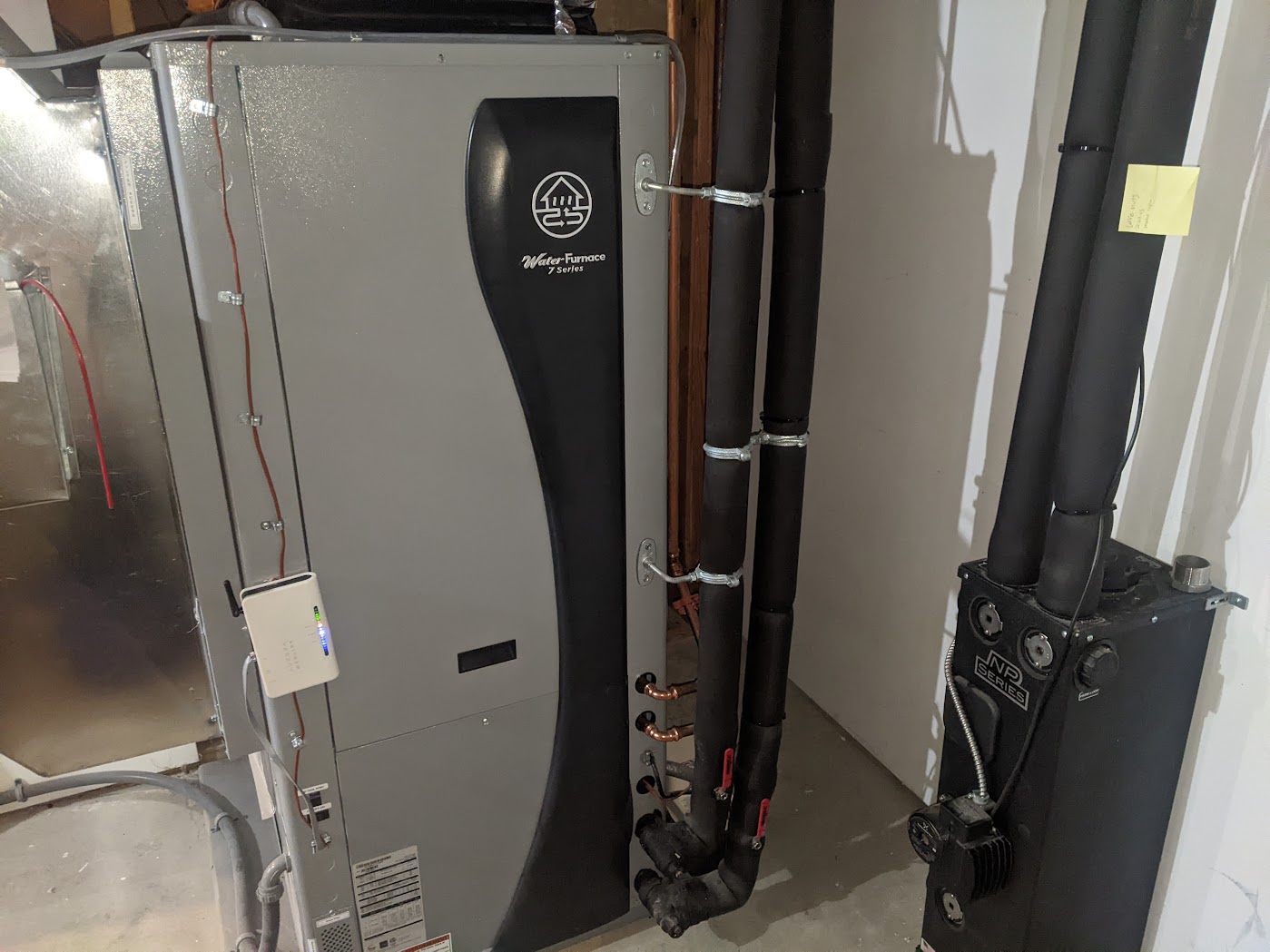
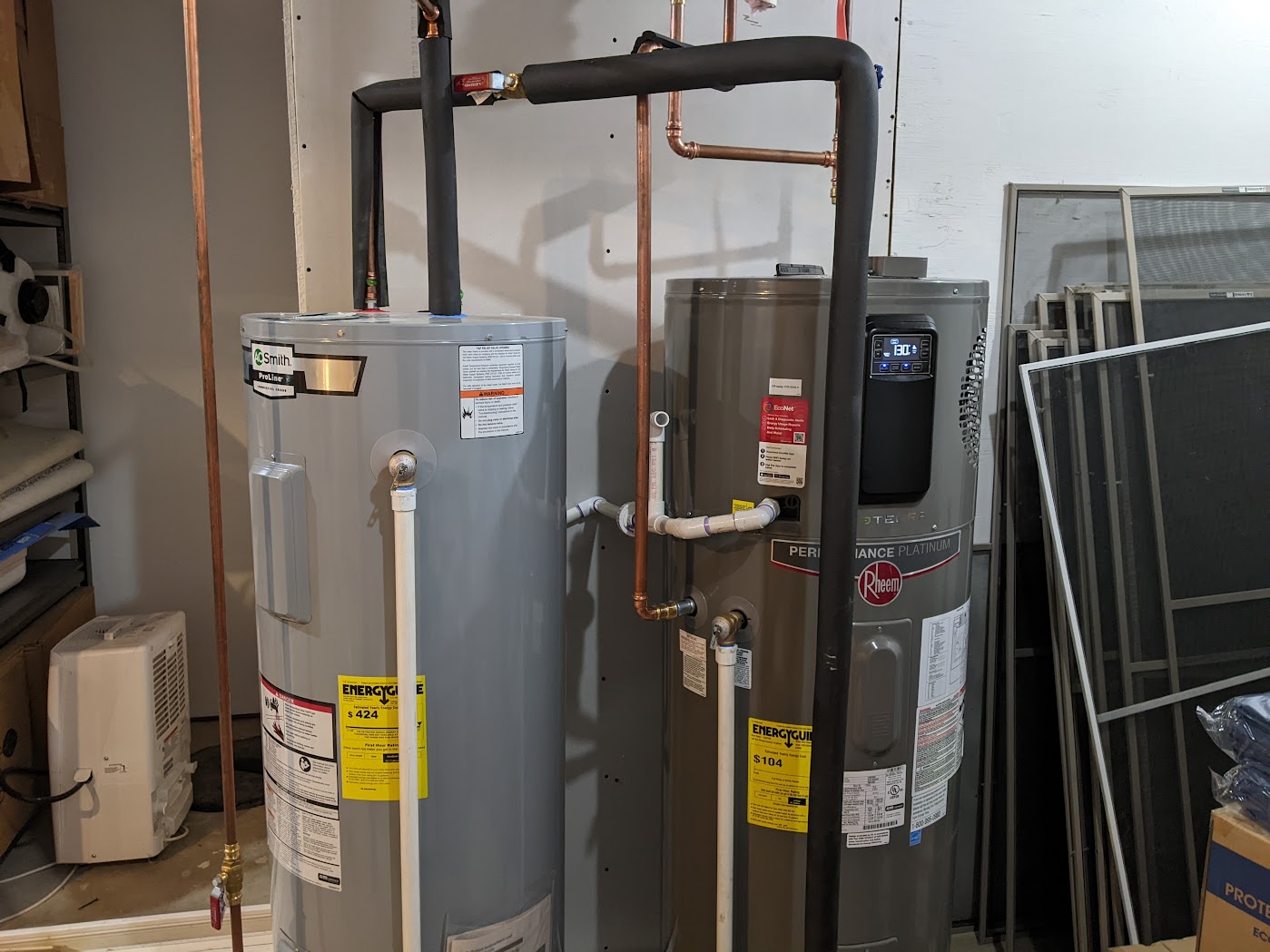
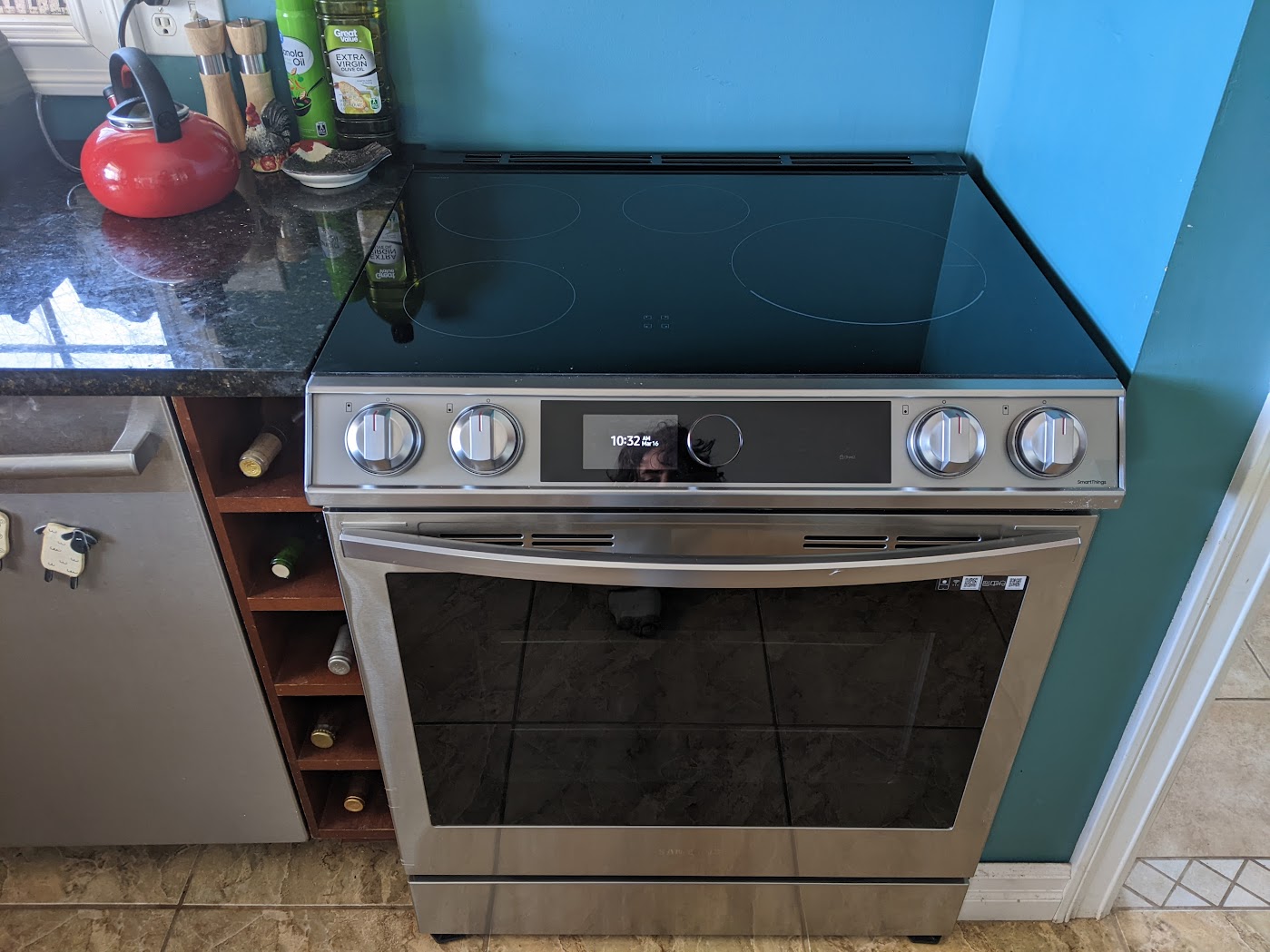
For the seven of you who follow Life in the Coop religiously, you may have noticed the steady electrification of our residence, including our furnace, water heater, stove, dryer, and even our car. Some of these changes were for long-term economic benefits, others for better quality of life, and I can’t deny a small part of the change may have come from my inner climate scientist feeling a tinge of spite at an industry that lobbied away my career. Regardless, whatever the reason, we had become one of those homes: an all-electric household
Heat Pump
Water Heater
Induction Stove
Eevee the Equinox
As I paged through the Treehugger’s Guidebook to Proper Virtue Signaling, it became apparent that one final step remained to solidify our status as filthy New York liberals: Solar panels! Solar production was something I had looked into for years, as New York has an incredibly friendly solar policy called “net metering”. For twenty years, any production produced by your panels produces a credit which can be used at any time to cancel out equivalent electric usage at full price. This effectively allows you to size your system to match your annual usage, overproducing in the summer when solar is highest and electric usage is lowest, and use the excess credits in the winter to give you a near $0 electric bill.
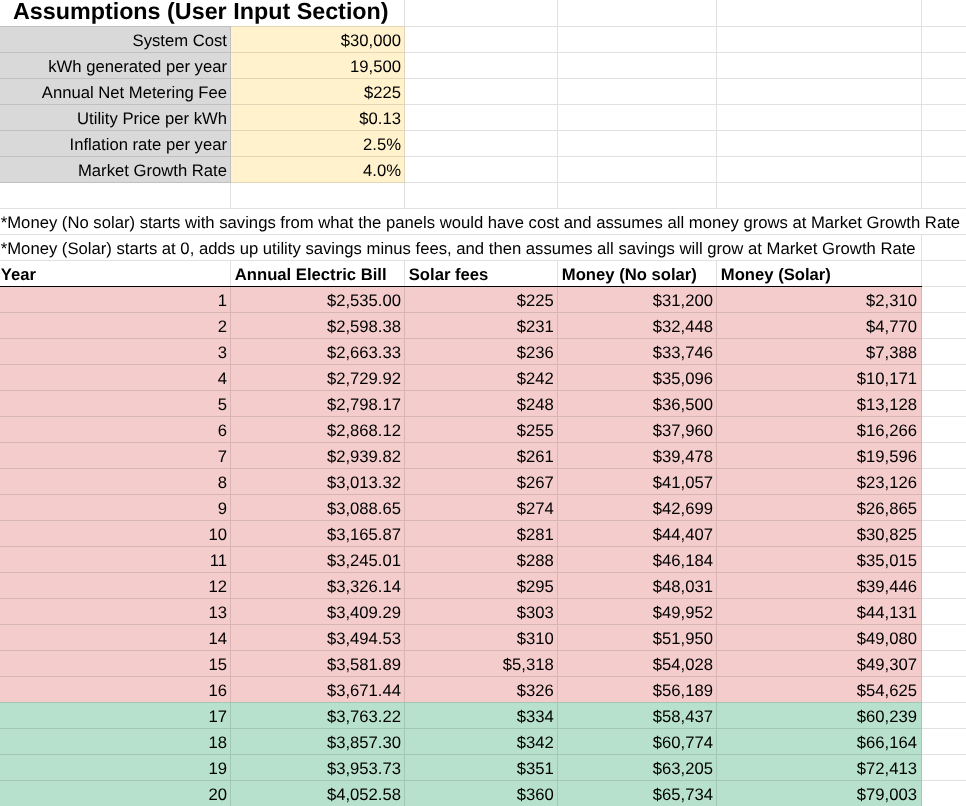
With net metering, a state tax credit of $5,000, and a federal tax credit of 30% of costs, solar panels in New York should be a no brainer… except for one key problem. Thanks to an abundance of hydroelectric energy production, western New York has one of the cheaper electric rates in the nation at $0.13/kWh. Folks, I’m opening an excel spreadsheet, so if you had any plans on avoiding math today, this is your last opportunity to flee.
Solar vs No Solar starting from an electric rate of $0.13/kwh
Here is a calculation for an initial quote I received in 2024. At $0.13 per kWh, break-even on the solar panels was 17 years! Though I wanted so badly to generate our own energy to be a self-sustaining home and farmstead, it was clear at the time the only path to justify this would be to raise our egg prices to $20 a dozen. There was heavy internal debate among Snowy Brook shareholders, but ultimately our love for our customer base won out, and we abandoned solar plans for the time being.
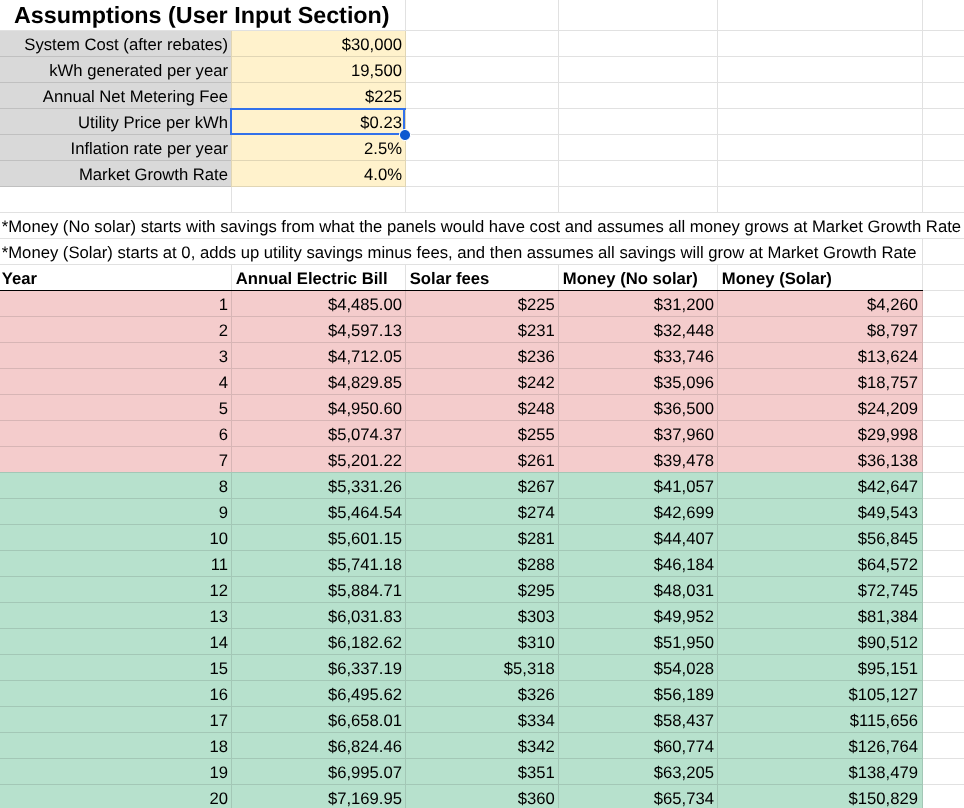
The year 2024 came and went, with hours of sunshine wasted on the grass in our yard. Things looked grim. And then… a miracle! AI! The advent of AI solved all problems, just as all those out-of-touch CEOs said would happen. That’s right! With the rise of AI datacenters and a massive uptick in energy consumption, electric rates across America spiked and suddenly Western NY energy prices went from $0.13/kWh to $0.23/kWh. Isn’t that great?! Let’s get the spreadsheet out and apply these new rates!
Solar vs No Solar with the new rate of $0.23/kwh
Behold! With electricity nearly twice as expensive, our breakeven point moved from 17 years to 8 years, with substantial gains in years 9-20. Thanks to the power of AI, the situation went from “we’ll be broke if we install solar” to “we’ll be broke if we install solar but we’ll be broker if we don’t!”. The justification for solar was finally in place, and in Summer 2025 we took the plunge.
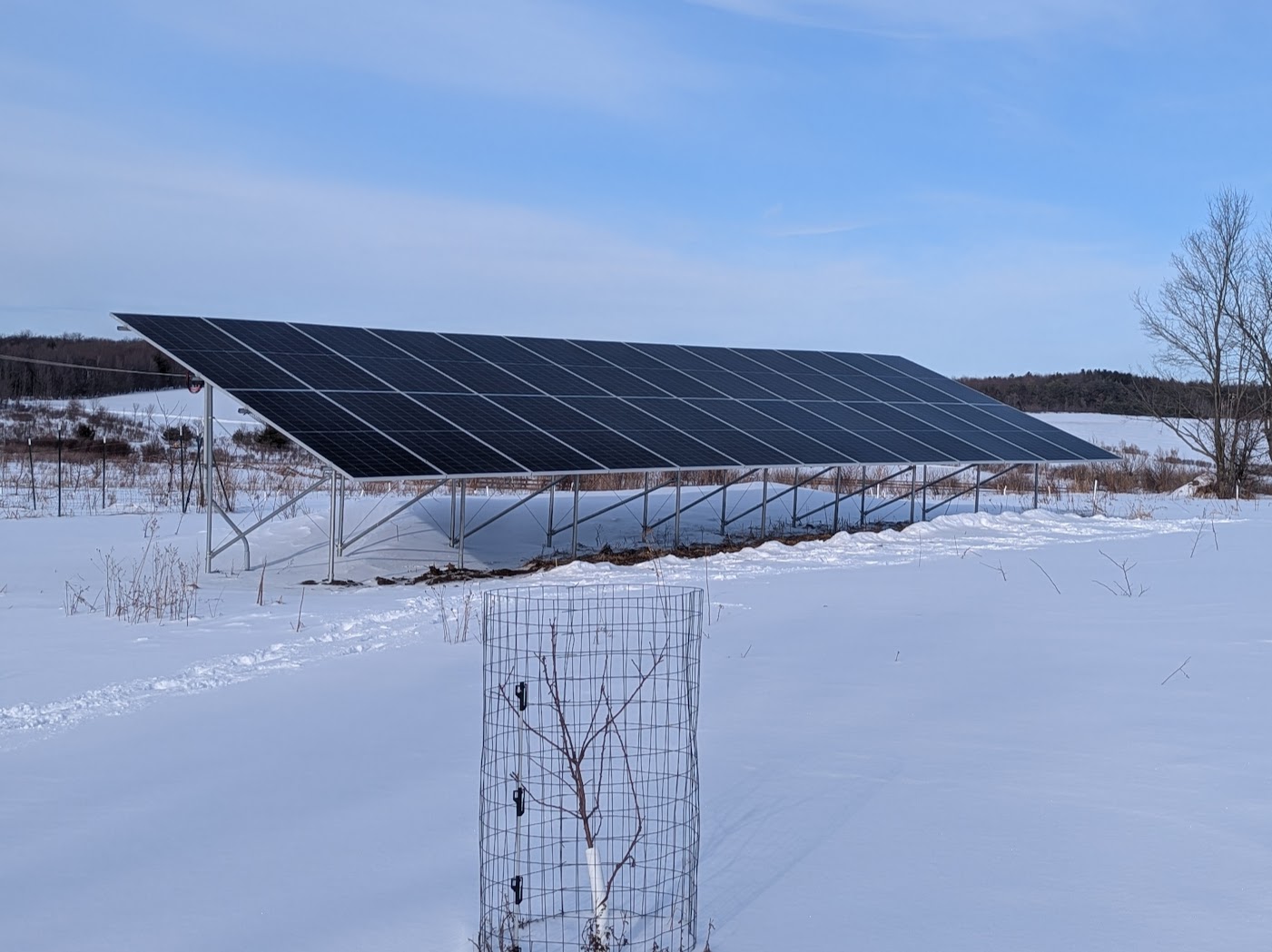
Snowy Brook solar panels soaking up the rare afternoon sun
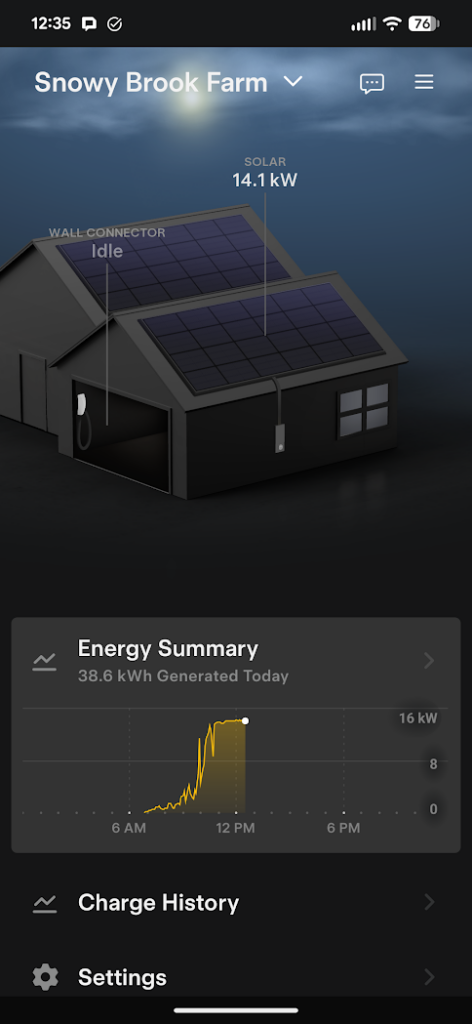
We ended up getting a 16.12 kW ground mount array installed, with estimated annual production of about 20,000 kWh a year. I’m going to withhold details on the company we used and the lack of competency of the initial install, as they’ve been very responsive in fixing their mistakes, so we’ll let that shake out for a year before making final judgments and recommendations, eh? But what’s important is that the system is up and active. Which is good, because it’s sunny right now! Let’s take a peek at the live performance data in the app.
After a cloudy start, we're full sun this afternoon!
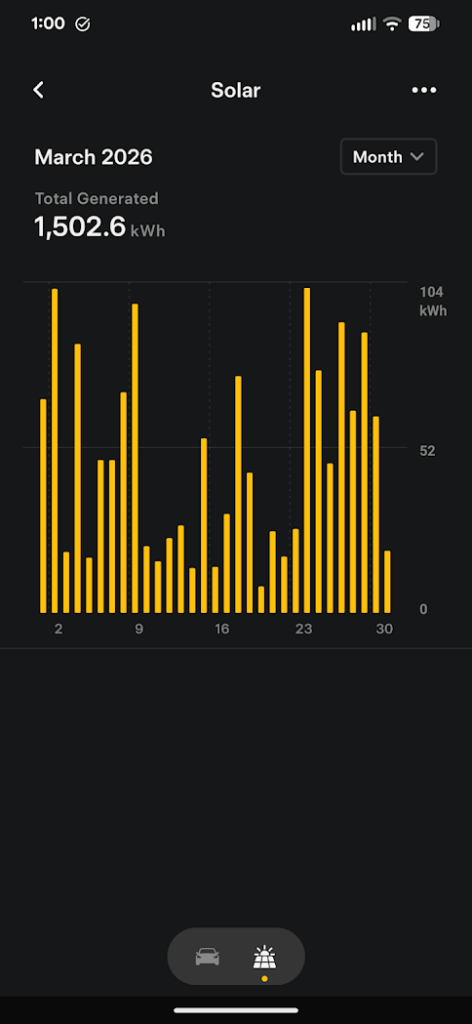
Daily Solar Production in March
Oooooo graphs. There was heavy cloud cover in the morning as a front pushed through the region, but it’s clear skies behind it and the panels are currently producing 14.1 kW at midday. By the end of today we should end up producing ~100 kWh, which is equivalent to our home and farm energy usage for 2-3 days. This surplus is expected and by design; from April-September, the days are long and the weather is nice, which is useful to balance out the remaining 6 months which look something like this
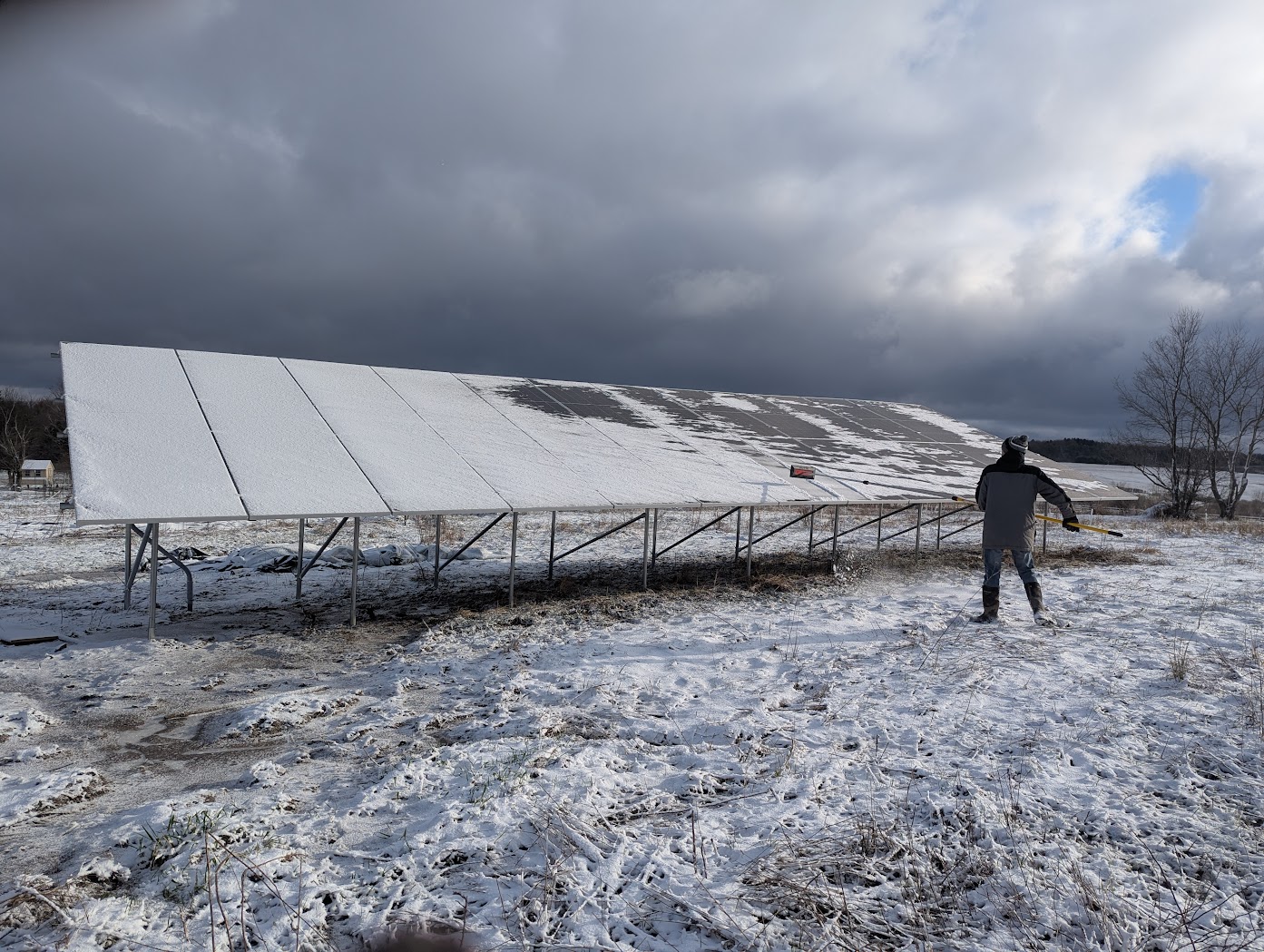
Zach's morning routine from October to March
It turns out it snows quite a bit at Snowy Brook Farm ¯\_(ツ)_/¯ But much like chopping wood for a fireplace, taking 10 minutes in the morning to brush snow off the panels produces enough energy to cover all of our heating for a day, so there’s a sense of catharsis with each stroke of the brush as I fight the Unwinnable Battle against a warm Great Lake.
But that’s enough about Snowy Brook Farm’s energy consumption and generation. What about you, fellow reader? With skyrocketing energy costs, are solar panels right for you? As a climate scientist, I am obligated to say yes here, if not to save the polar bears, then at least to protect our local skiing industry. However, as a financial matter, the truth is that the answer is much less black-and-white for most folks. Savings will be dependent on your electric usage and your electric costs. New York’s net metering policies also require you to size your system relative to your existing usage, so taking full advantage of the benefits of solar requires your household to have already converted to electric, rather than installing solar first and then switching out your HVAC/car/whatever for electric and end up with an undersized system. Leases and loans in the solar industry can be quite predatory as well, and so having the upfront capital to cover the system costs is almost always required to come out ahead financially. And finally, the 30% federal tax rebate for solar has been eliminated by the current administration, in a world where energy costs of all kinds are escalating rapidly. So given all that, whether solar is a smart financial decision can only be determined on a case-by-case basis. But quotes are always free! So if you’re the type of person that likes shoveling snow off your driveway and thinks “gee, I’d love to apply this same motion but at a 20 degree tilt”, it can’t hurt to call up a regional, certified company and find out the practically of solar for your home. Just remember that they’re there to make a sale, so as always, do you own maths! (or just download my spreadsheet)